Cat Person or Dog Person? Signs to Spot the Difference
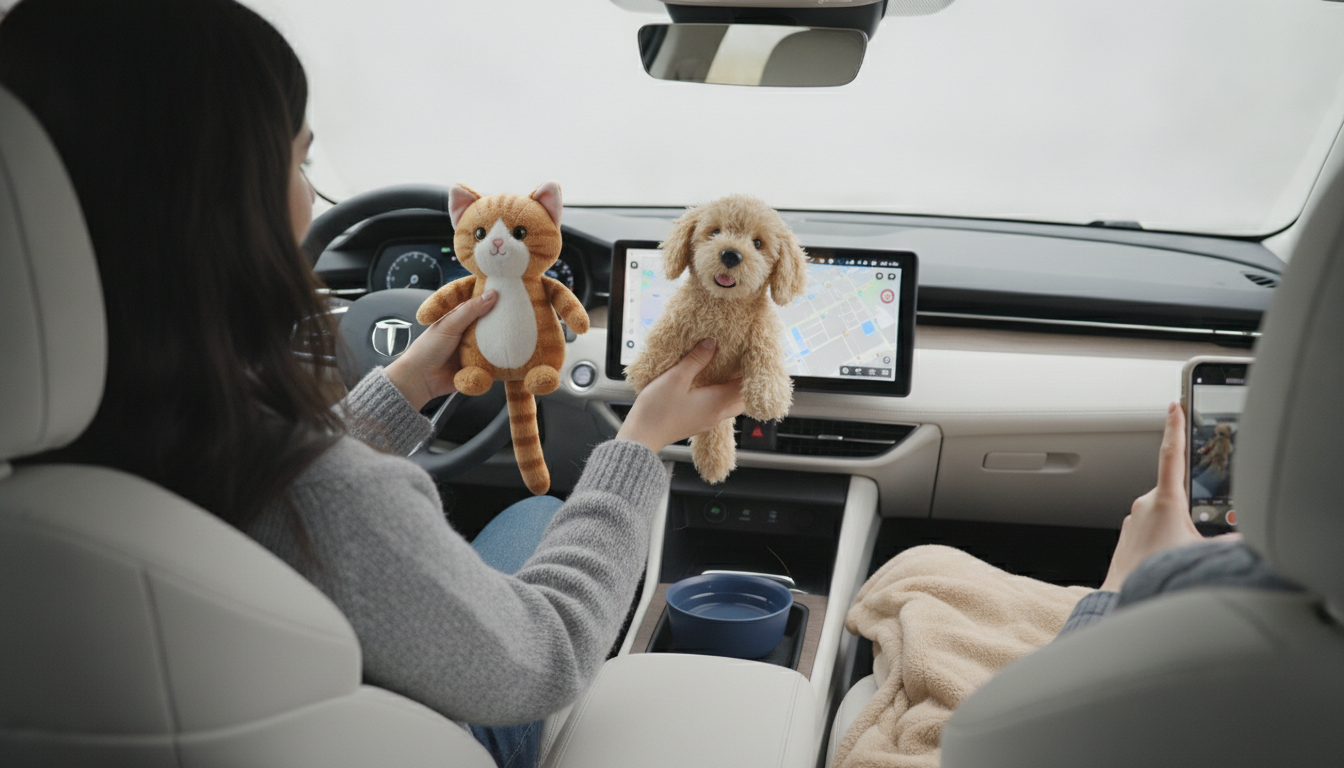
How to tell if someone is a cat or dog person?
Most people show their pet preference in small, repeatable habits rather than big declarations. To tell whether someone is more of a cat person or a dog person, look for patterns in how they talk about companionship, personal space, routines, and the kind of social energy they enjoy. A single clue can be misleading, but several together usually paint a clear picture.
Notice how they describe “good company”
Dog people often light up when they talk about loyalty, enthusiasm, and being greeted like a celebrity at the door. Cat people tend to value quieter togetherness—sharing a room, calm affection, and the feeling that trust is earned over time.
Watch their comfort level with noise and spontaneity
If someone enjoys lively environments, doesn’t mind sudden bursts of energy, and happily adjusts plans for a walk or playtime, that leans dog. If they prefer a steadier pace, appreciate silence, and like things to unfold on their own schedule, that leans cat.
Ask what kind of daily routine sounds relaxing
Dog-oriented routines usually include outdoor time, structured activities, and checking in frequently. Cat-oriented routines often center on home comfort, low-maintenance check-ins, and enjoying independent downtime together.
Pay attention to boundaries and affection style
Dog people are typically comfortable with overt affection—cuddles, constant closeness, and attention on demand. Cat people often prefer consent-based affection: brief but meaningful contact, respecting signals, and letting closeness happen naturally.
Look at what they share online or buy for their space
Dog people are more likely to share action shots, adventures, and playful moments. Cat people often share cozy snapshots, funny expressions, and “caught you lounging” photos. Home choices can also hint at preference: practical, on-the-go gear versus comfort-driven home setups.
For a deeper checklist of behaviors and quick telltales, visit How to tell if someone is a cat or dog person?.
FAQ
Can someone be both a cat person and a dog person?
Yes. Many people like both, but they often lean toward one lifestyle—either energetic, social routines (dogs) or calm, independent companionship (cats)—depending on their schedule and temperament.












Leave a comment