Newborn Essentials for Week One at Home (Simple List)
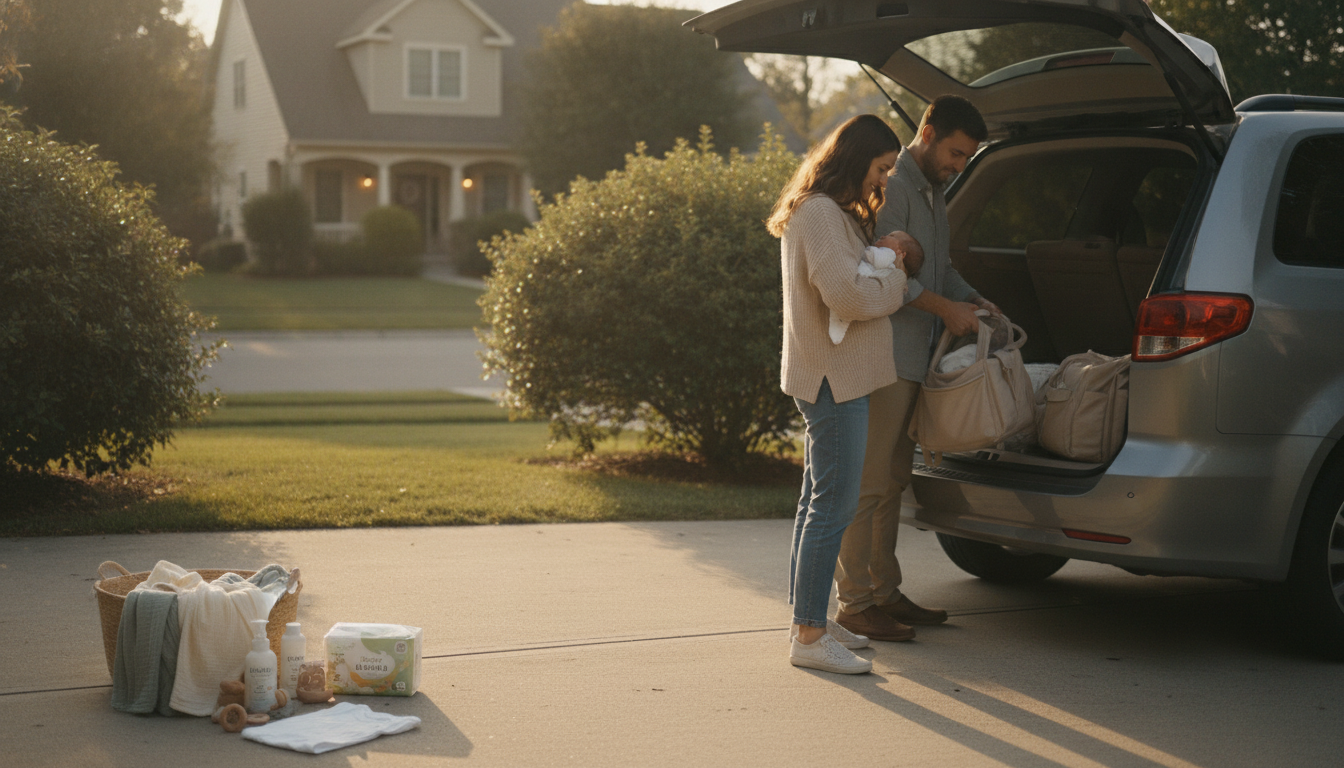
What newborn essentials do you actually need at home for the first week?
The first week at home with a newborn is mostly about feeding, diapering, sleep, and a few simple comfort and safety basics. You don’t need a fully stocked nursery to get through those early days—you need reliable, easy-to-reach items that support the routines you’ll repeat all day and night.
Feeding essentials (keep them within arm’s reach)
If breastfeeding, focus on a few practical helpers: nursing pads, nipple cream, a couple of burp cloths, and a water bottle for you. If bottle-feeding (or combining), have a small set of newborn bottles, formula if needed, and a bottle brush. The goal is to avoid constant washing emergencies at 2 a.m.
Diapering essentials (set up one main station)
Plan on diapers in newborn or size 1 (babies vary), fragrance-free wipes, and a diaper cream for irritation. Add a simple changing pad or a towel on a stable surface. A small lidded trash can or diaper pail is helpful, but not mandatory for week one.
Sleep essentials (safe and simple)
A safe sleep space is the non-negotiable: a bassinet, crib, or play yard with a firm mattress and fitted sheet. Skip loose blankets and pillows. Have 2–3 swaddles or sleep sacks and a couple of zip-up sleepers so you can handle spit-ups and middle-of-the-night changes without laundry panic.
Health, hygiene, and comfort basics
Keep a digital thermometer, a nasal aspirator (bulb or suction style), and a few washcloths on hand. For baths, baby soap is optional for the first week, but a gentle cleanser can be useful. Add baby nail clippers or a file—newborn nails can be surprisingly sharp.
Nice-to-have items that reduce stress
A soft baby wrap or carrier can free up your hands, especially if the baby only wants contact naps. A small night light helps with feeds without fully waking everyone up. Stock a few extra adult essentials too—snacks, easy meals, and hydration matter.
For a fuller checklist and week-one setup tips, visit the complete guide: What newborn essentials do you actually need at home for the first week?
FAQ
Do you need a baby bath tub in the first week?
Not necessarily. Many families do sponge baths at first and use a sink or a simple infant tub later. If you do buy one, choose a stable, easy-to-clean option.











Leave a comment